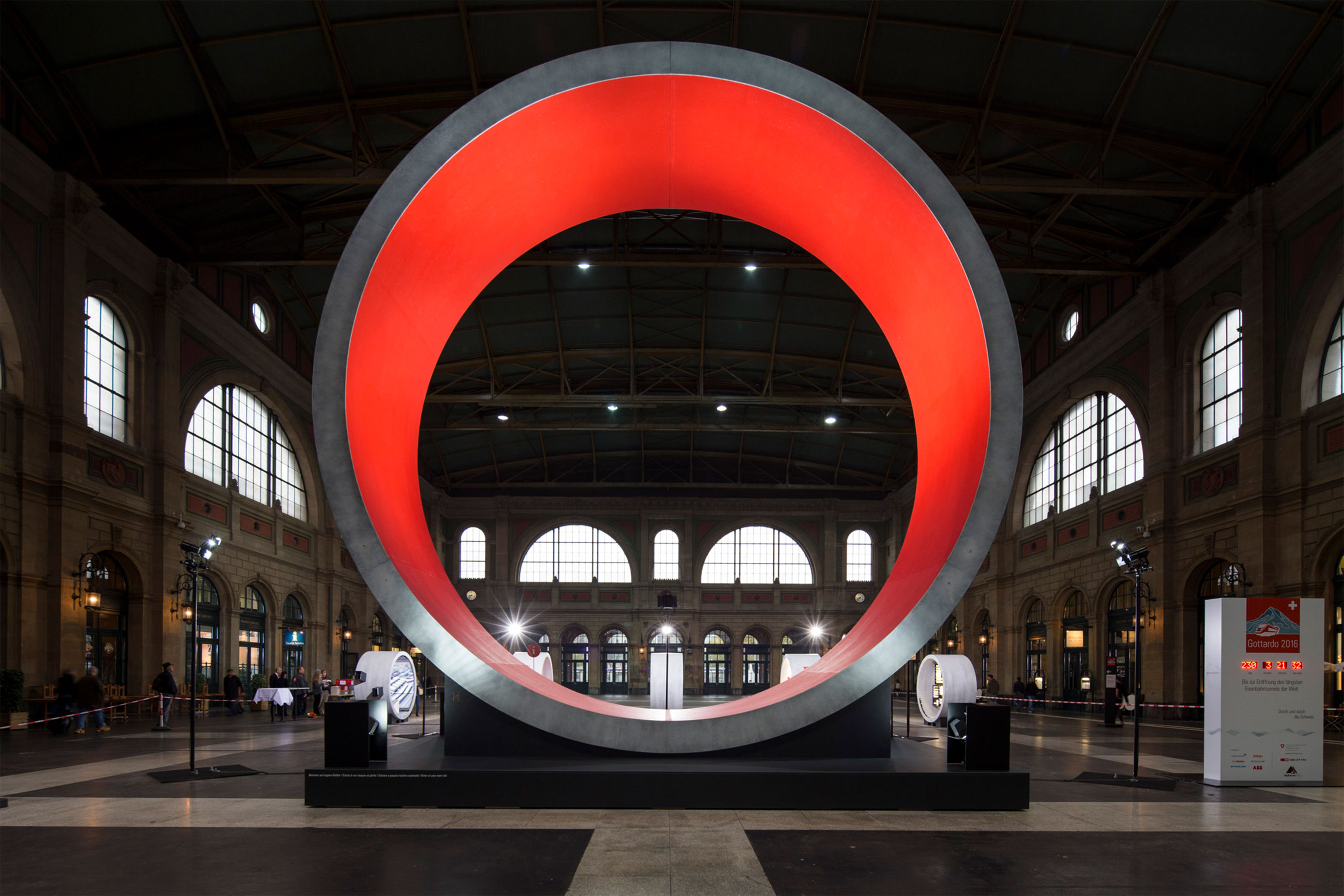
SBB CFF FFS · 2016
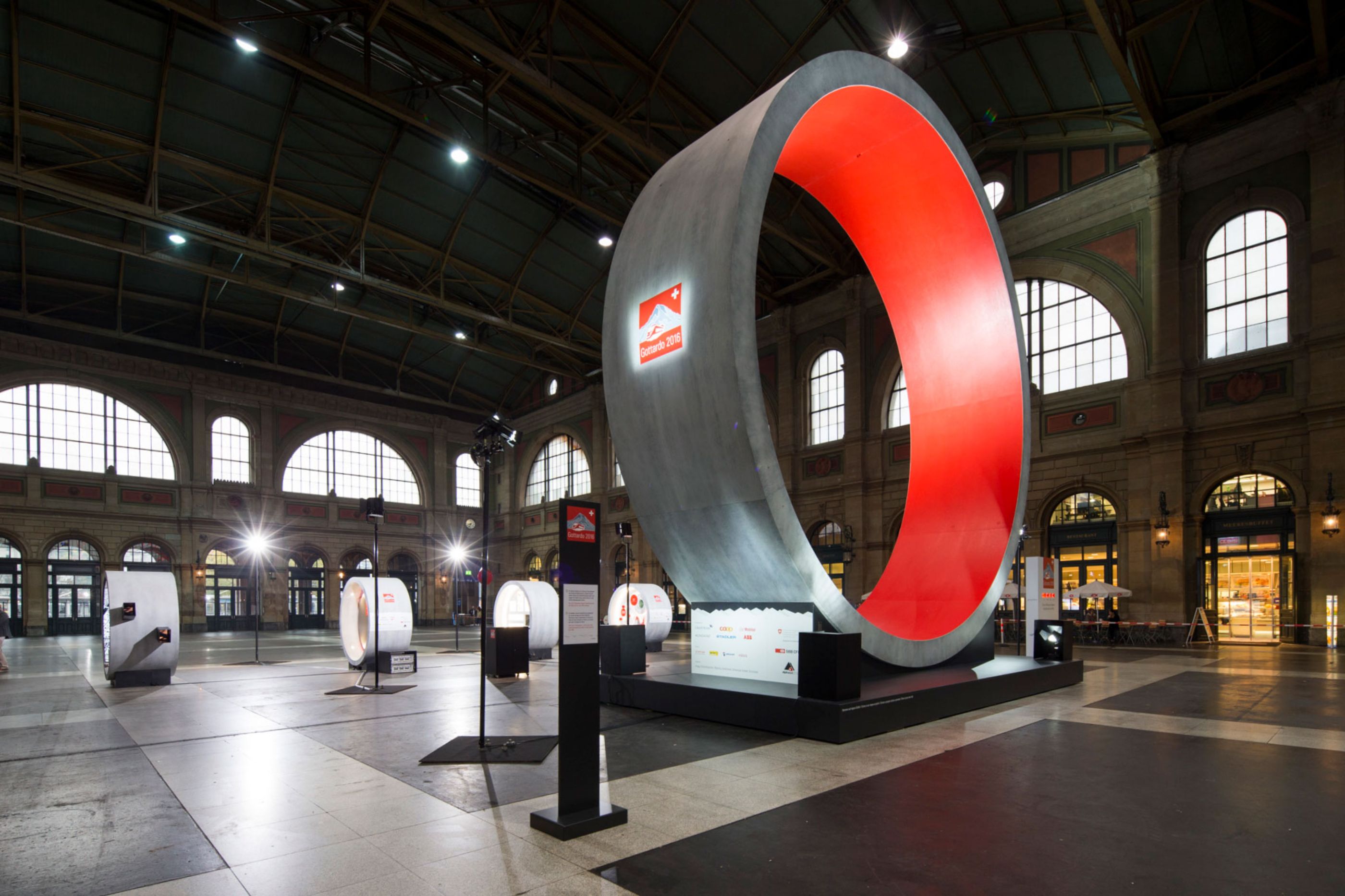
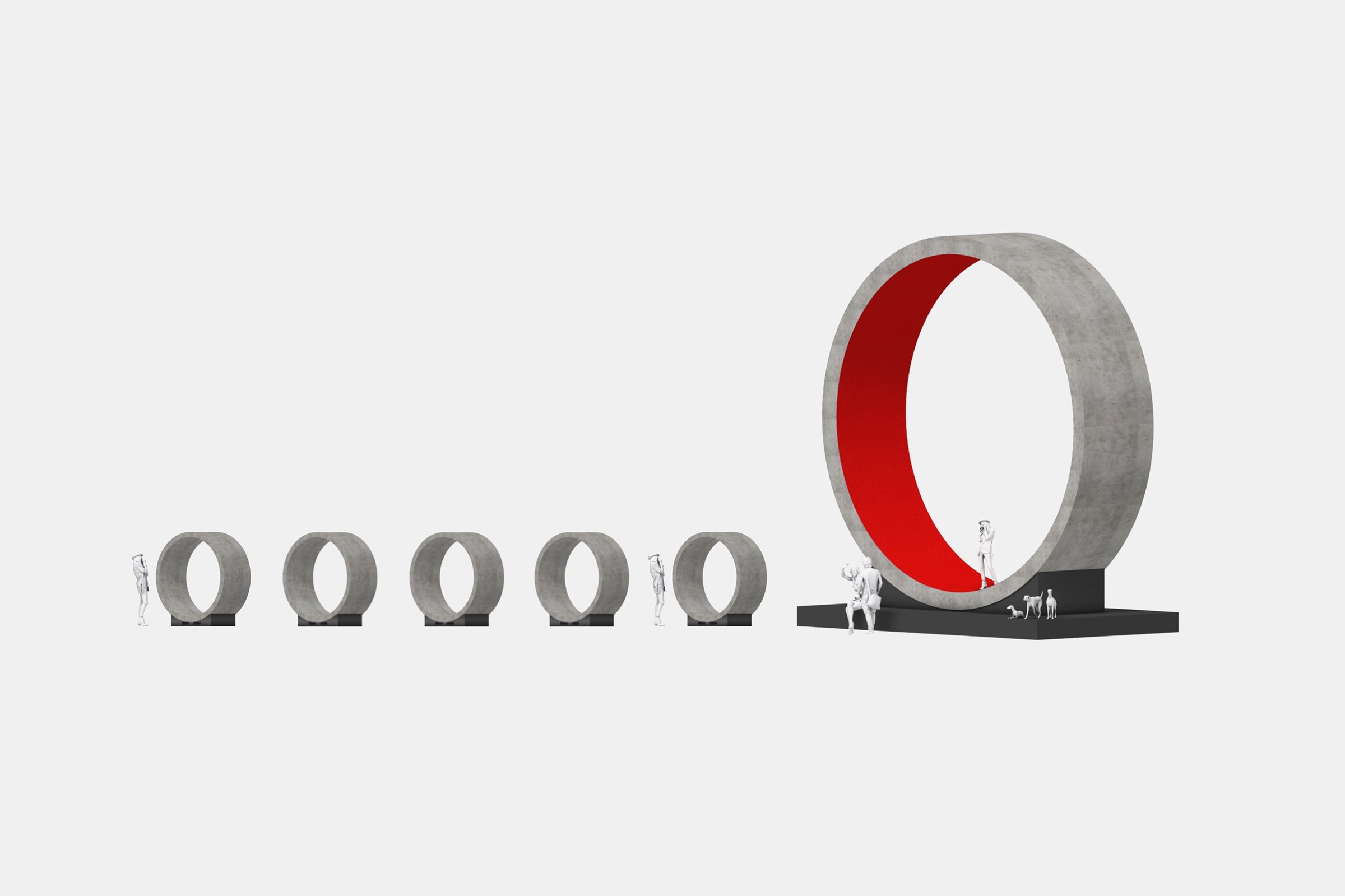
The exhibition was built around a set of full-scale concrete tunnel rings — a direct reference to the cross-section of the real 9.5-metre tunnel bore. Set down in the halls of stations like Zurich Hauptbahnhof, they turned an everyday commute into an encounter with one of the largest engineering projects in Swiss history.
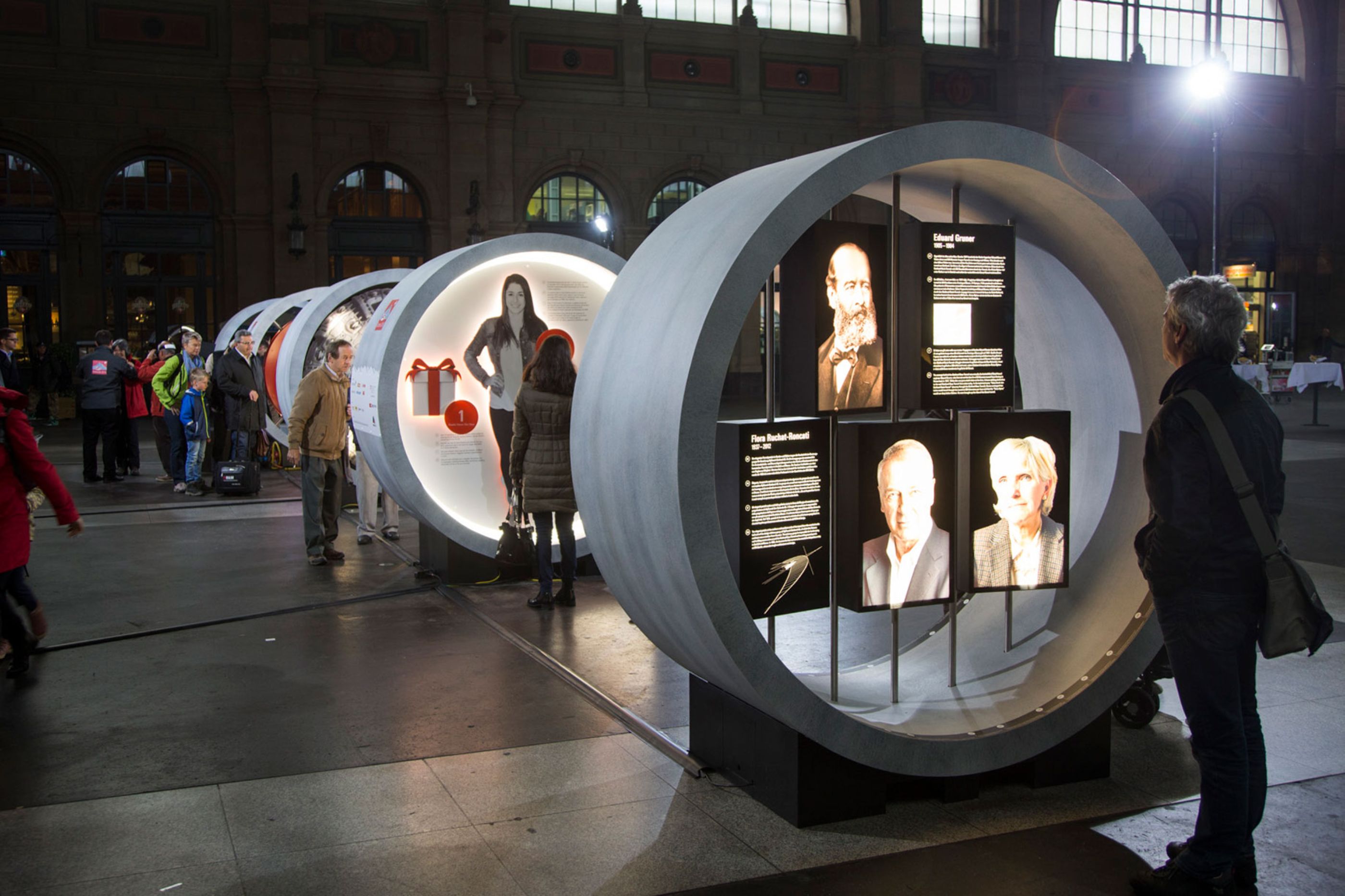
Each module told a different part of the story — engineering, history, the human effort, and the future of mobility — through content, sound, and light. Visitors could sit inside, look through, and read their way along the length of the installation.
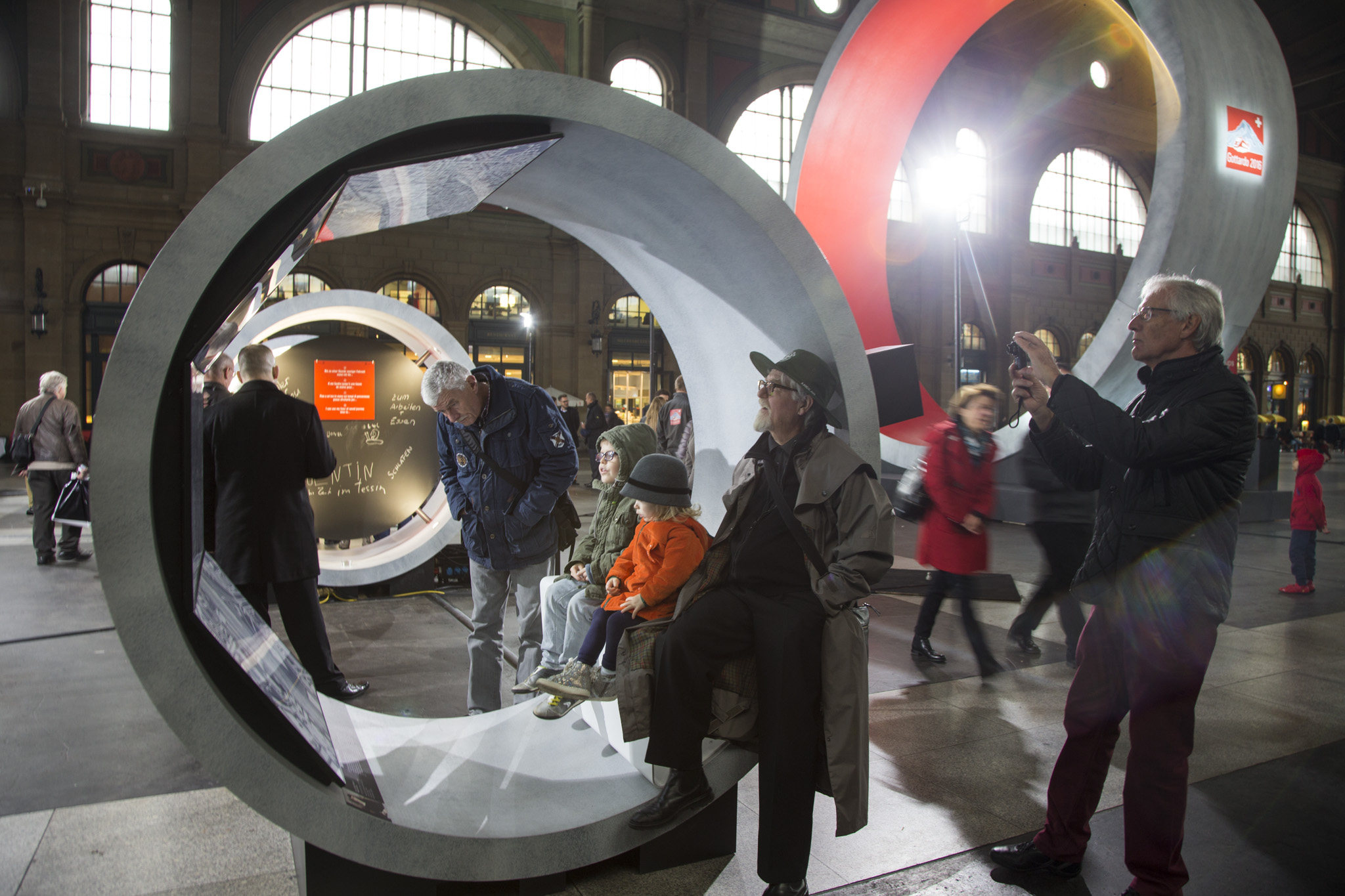
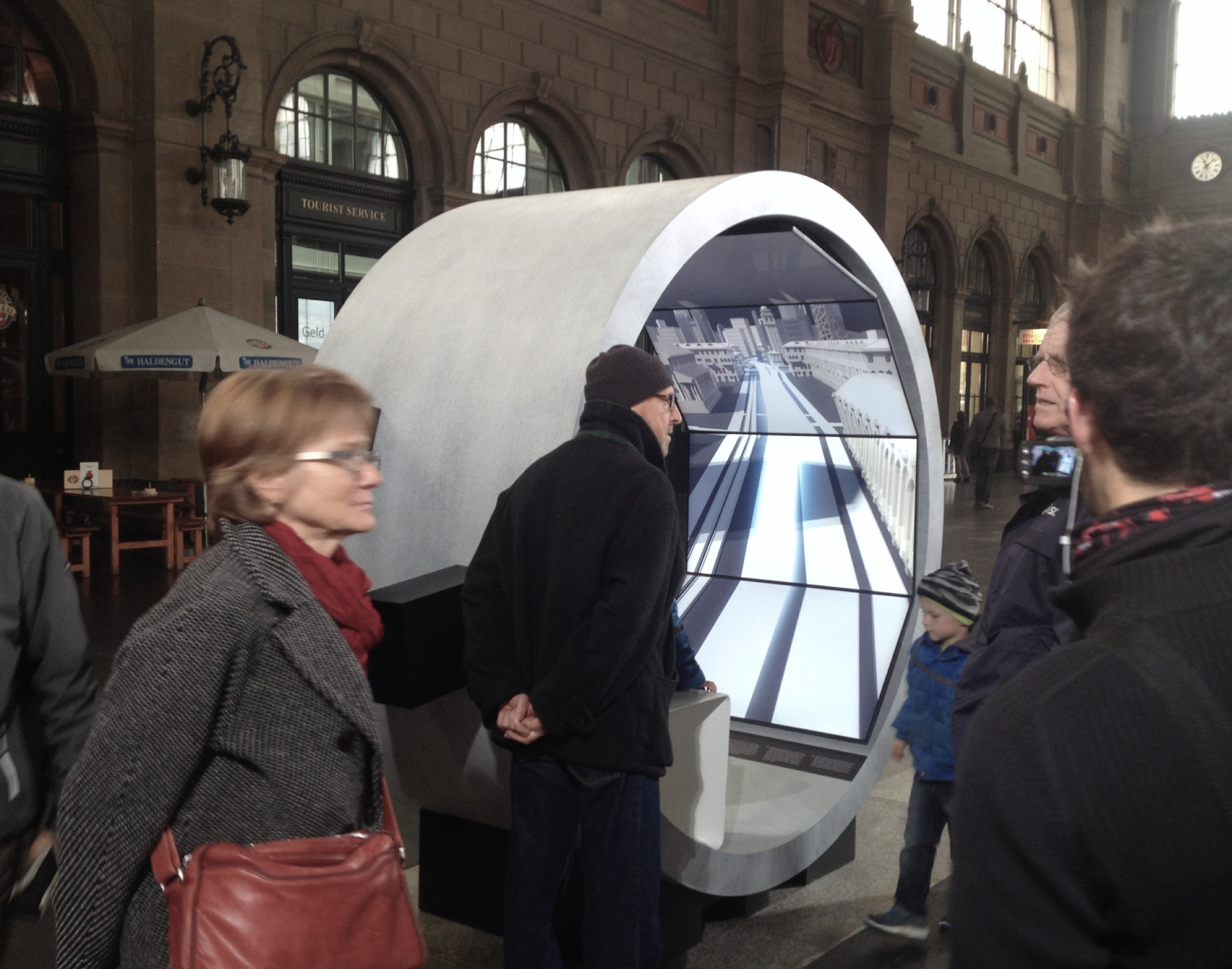
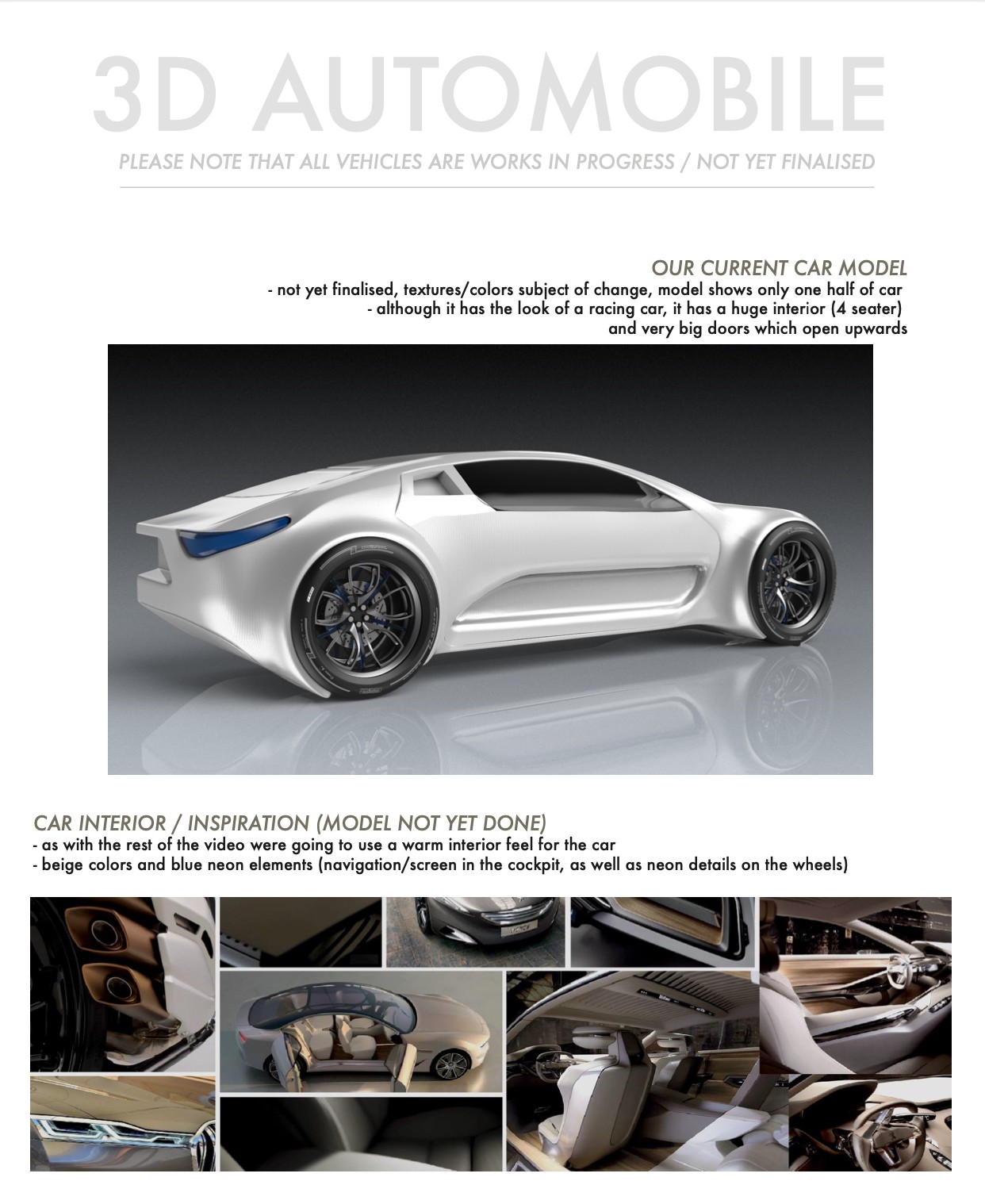
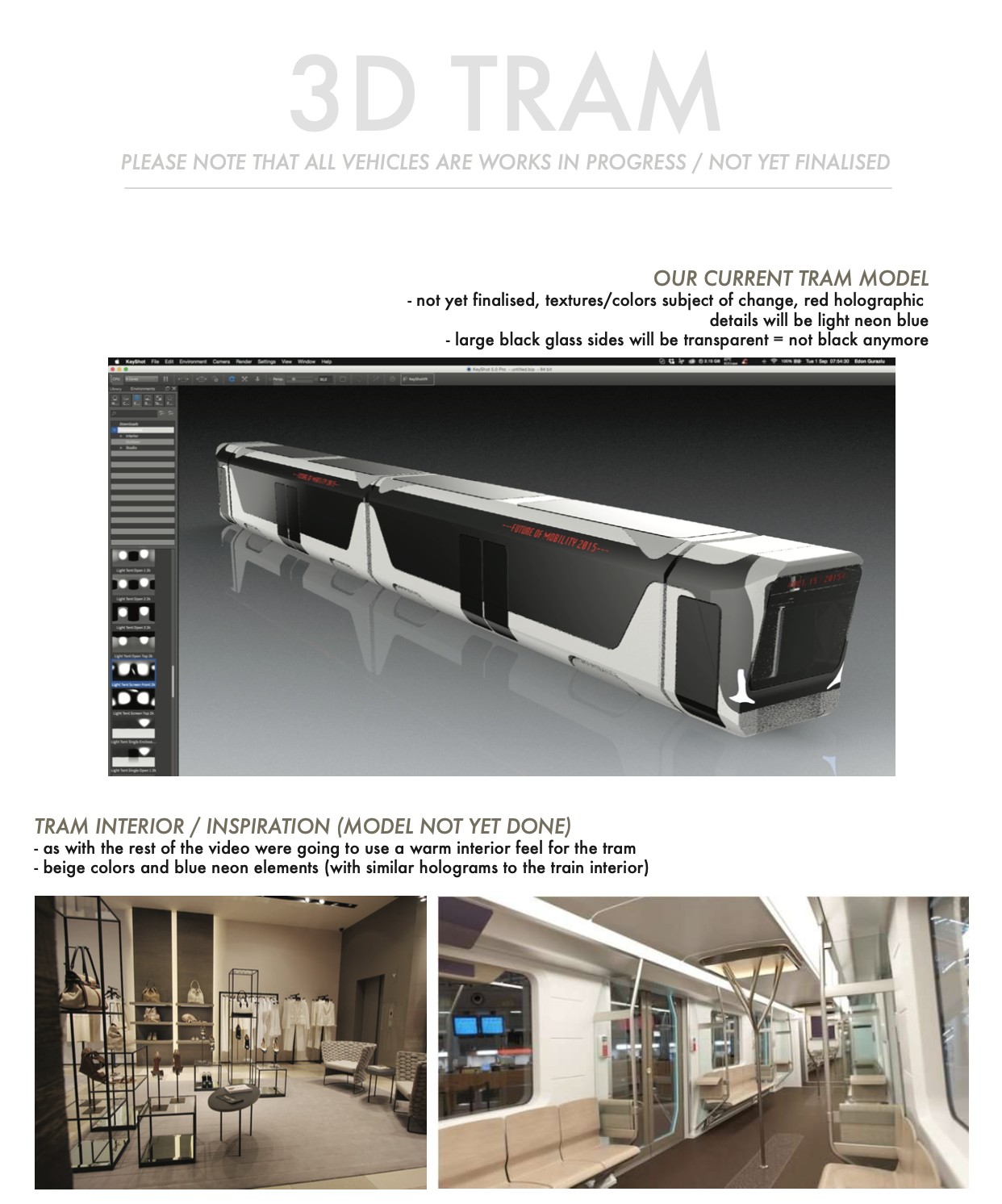
I led a team of five 3D motion designers on the Future of Mobility module — one of the five installations in the exhibition. Working alongside Scholtysik on concept and curation, and Aroma on scenography and production, we produced the audiovisual content shown inside the module.
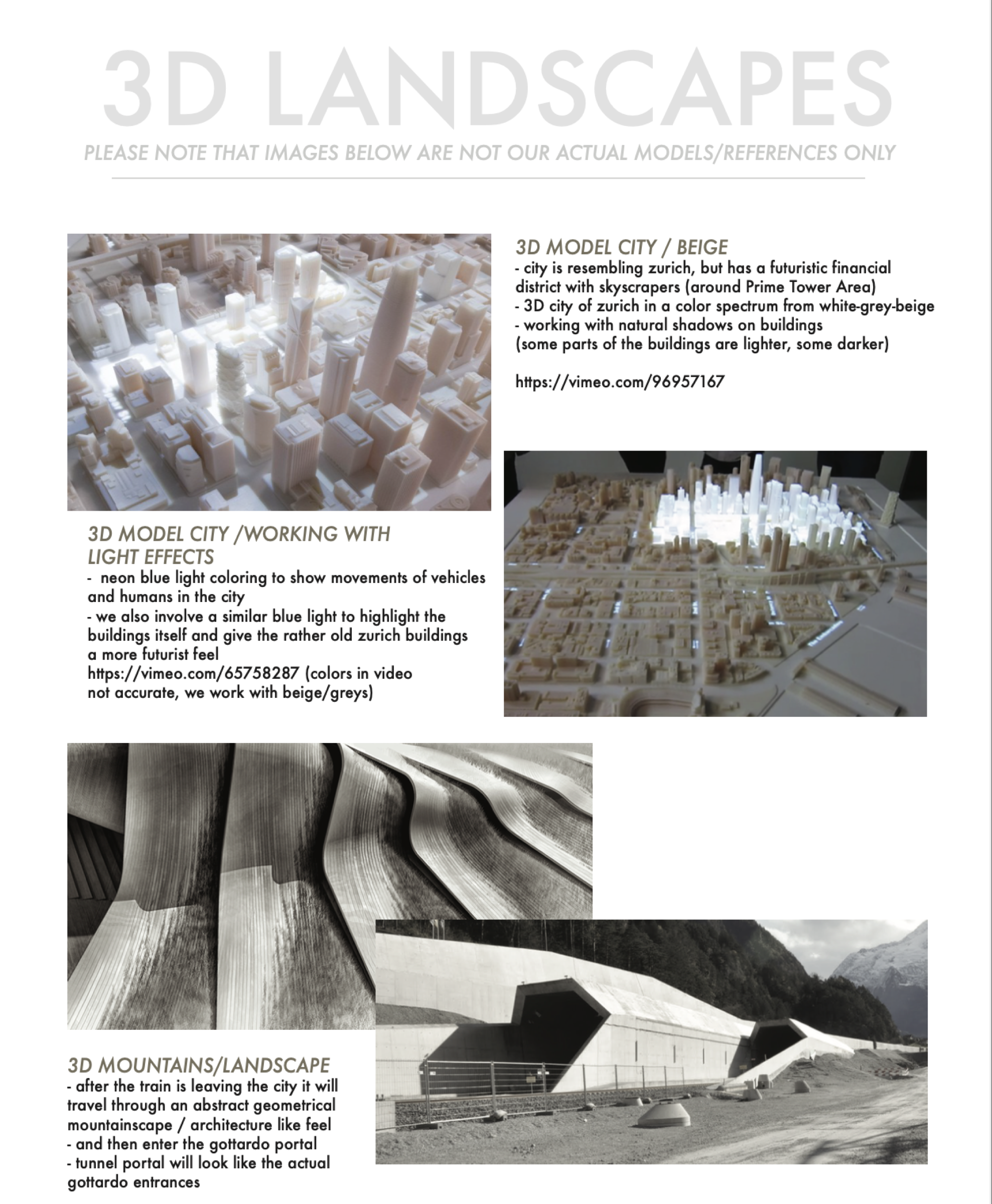
The brief was to make the abstract idea of future mobility tangible: large-format screens set into a tunnel-like structure, combining 3D motion graphics and sound into an immersive, seated experience. The visual language was deliberately reduced — monochrome cityscapes and rail networks rendered as clean, model-like worlds, so the focus stayed on movement and scale rather than decoration.
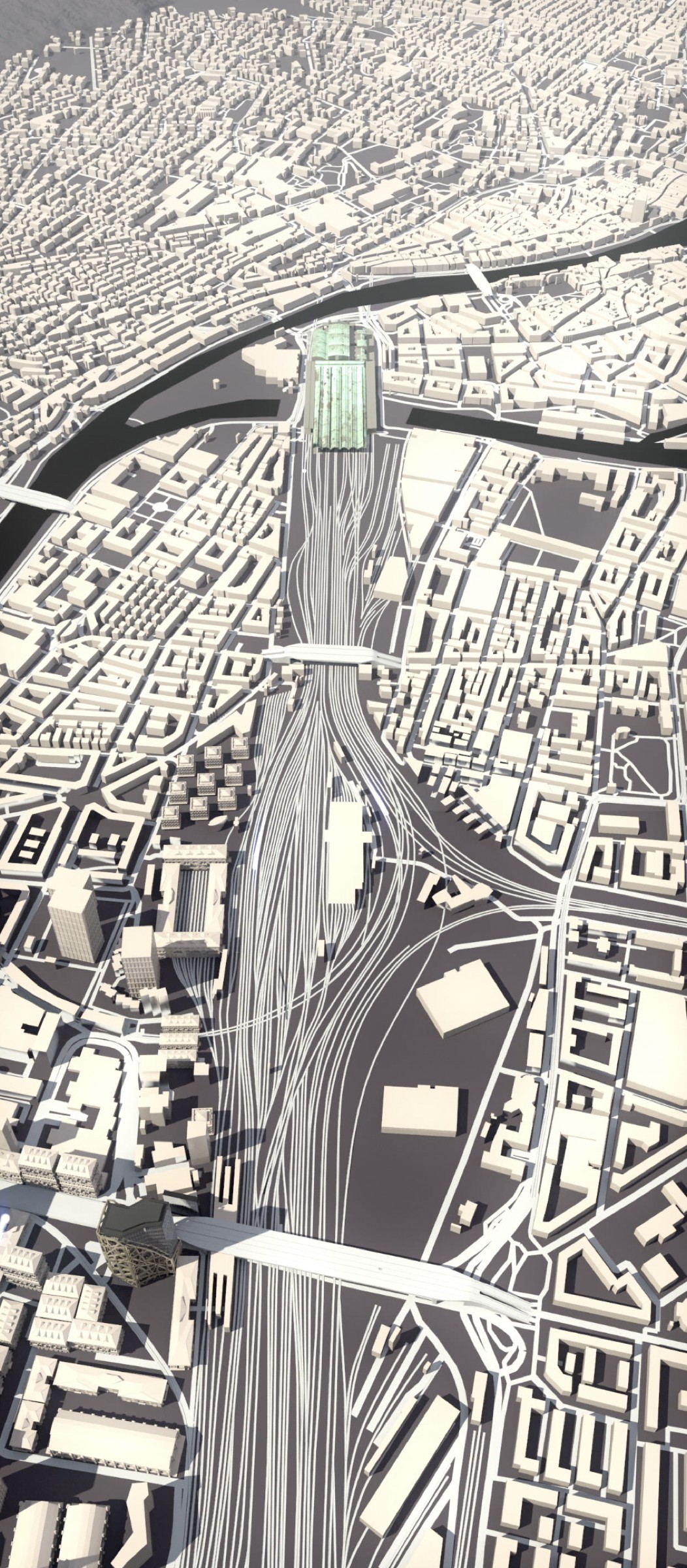
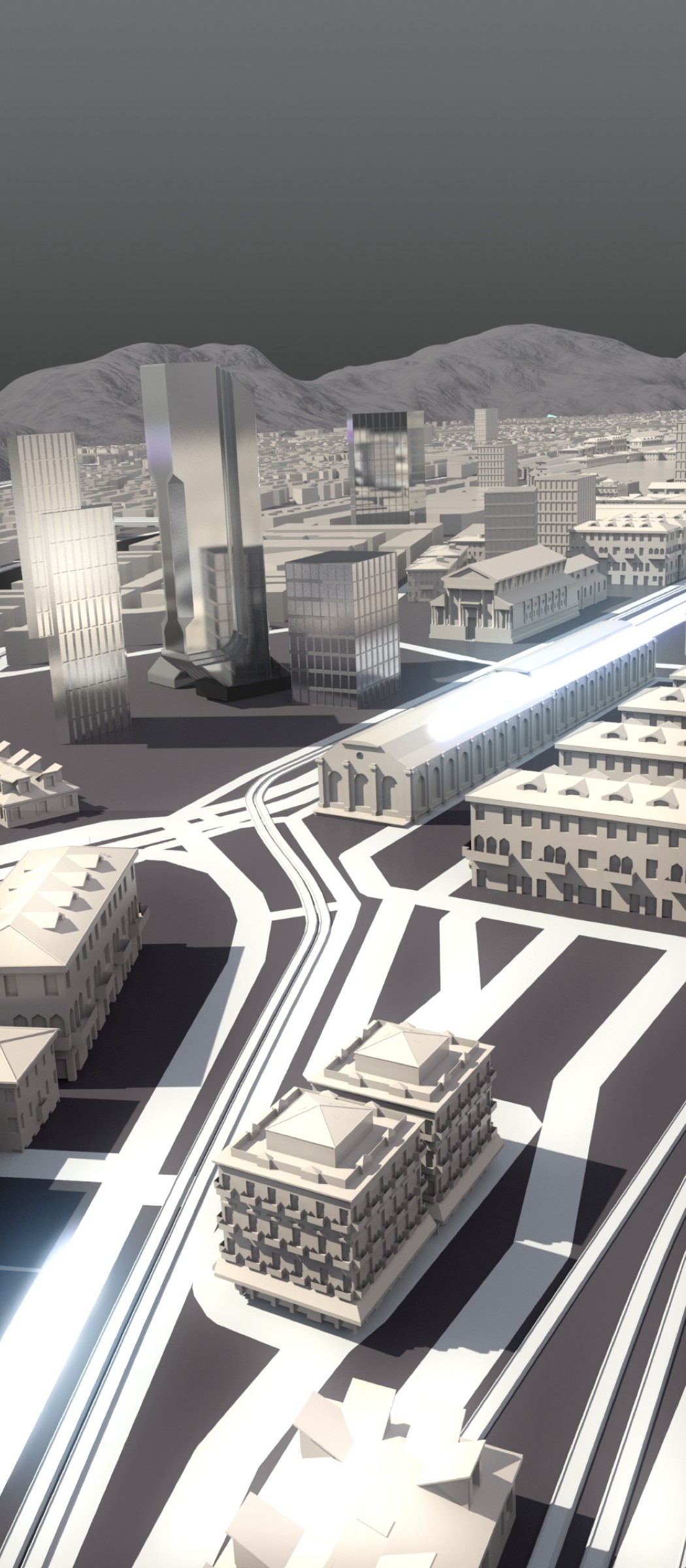
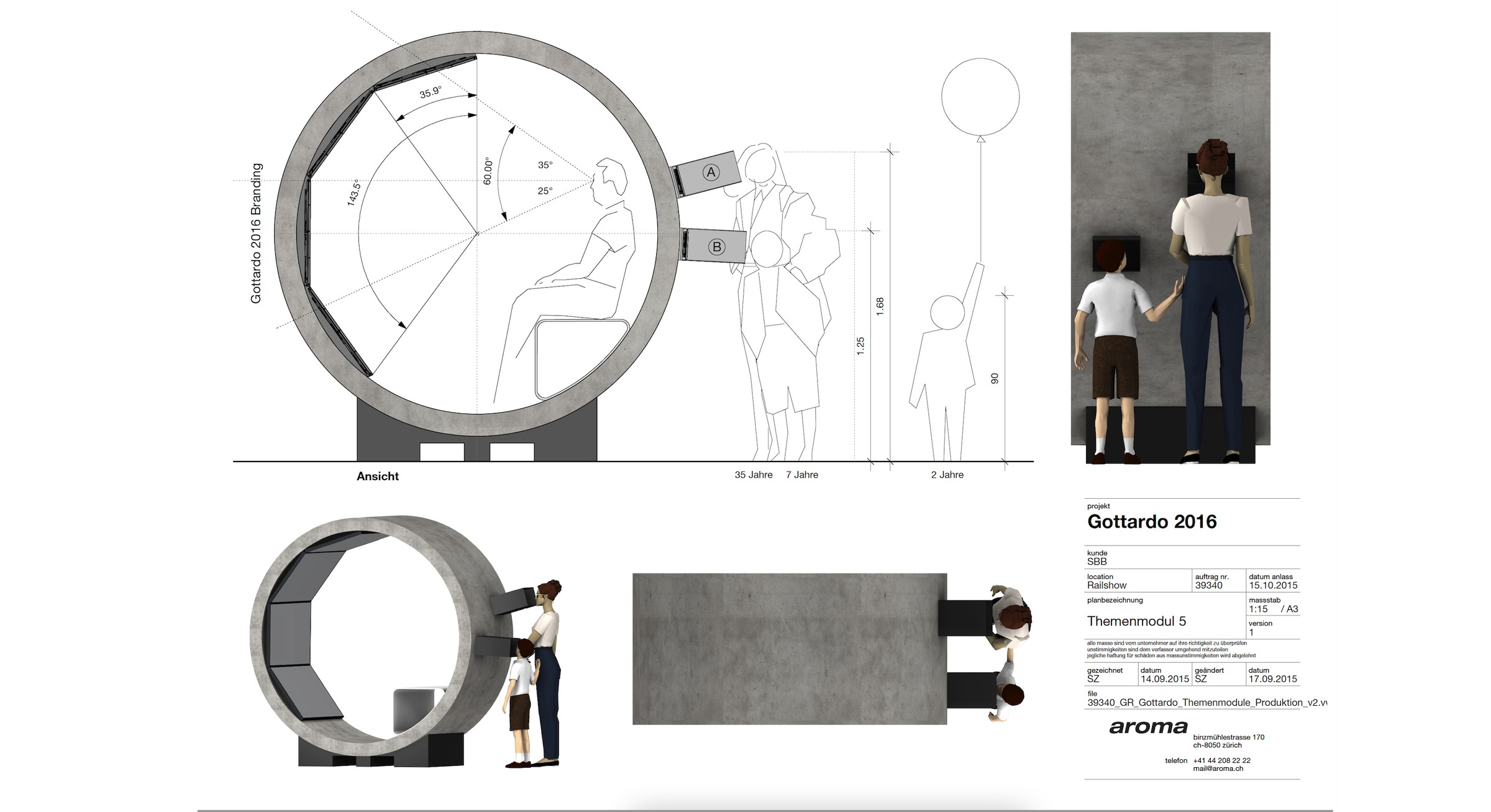
The experience was worked out in full before a single ring was cast — module geometry, human scale, seating and screen placement resolved in technical drawings, and the look of the modules developed through render studies.
The Gottardo 2016 exhibition was recognised across the leading European design and live-communication awards.




Collaboration & credits. Gottardo 2016 was a collaborative production for SBB CFF FFS. Concept and content curation by Scholtysik; scenography and production by Aroma. My team's contribution was the 3D motion design and audiovisual content for the Future of Mobility module.